Attic Spray Foam Installation in Victoria, TX
Attic insulation services in Victoria, TX, help homeowners address air leakage, excessive attic temperatures, and inconsistent indoor comfort. Professional installation involves evaluating the attic space, selecting a suitable foam type, and applying it to appropriate surfaces based on the property's construction and ventilation requirements. In South Texas, hot summers and humid conditions make proper attic insulation important for managing indoor temperatures, limiting heat loss, and supporting building performance. This page explains the professional installation process, factors that influence insulation cost, and common questions about using spray foam to insulate your attic.
Get Your Free Estimate
We will get back to you as soon as possible.
Please try again later.
24/7 service available
Attic Foam Installation in Victoria Homes
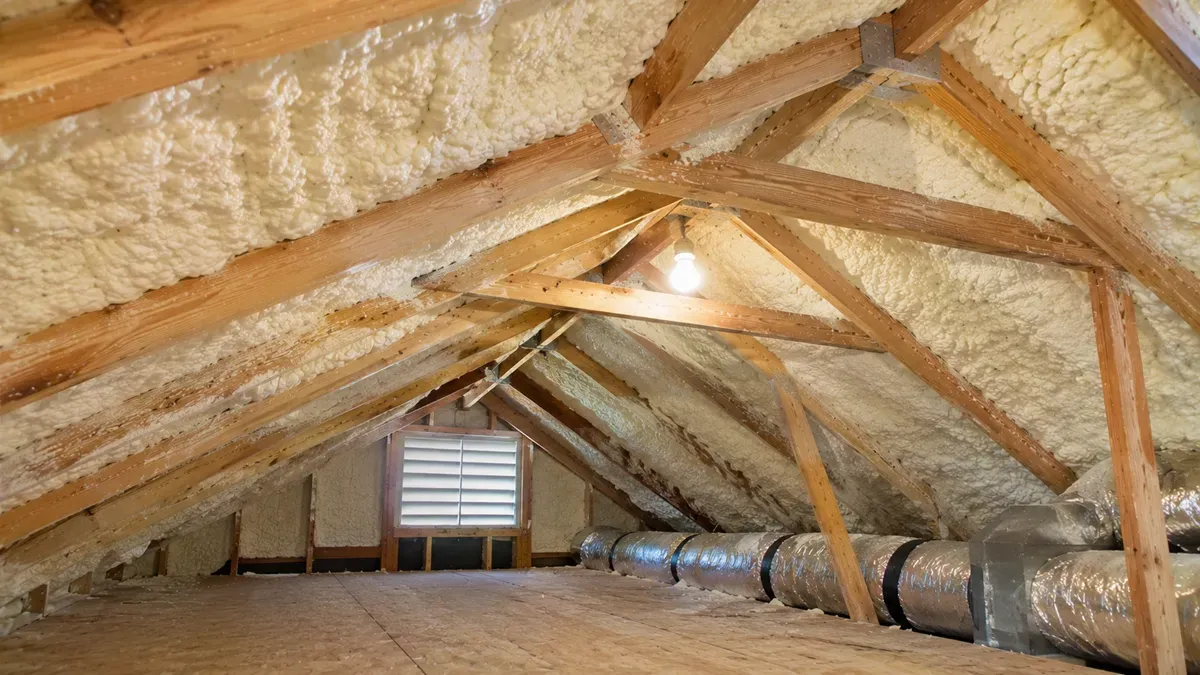
Installing spray foam insulation in an attic can improve a home's thermal performance by reducing unwanted air movement through suitable areas. Depending on the building design and insulation goals, professionals may apply open-cell or closed-cell spray foam to the roof deck, rafters, or other appropriate surfaces. Each option has different expansion characteristics, R-values, and moisture-related properties, so selecting the right foam used for the project requires an assessment of the attic assembly.
A professional evaluation considers existing materials, roof construction, ventilation, and potential moisture concerns before work begins. Properly applied foam can contribute to an effective air seal and improve the thermal envelope, helping limit heat transfer between the attic and living space. Spray foam seals selected gaps and cavities, while overall performance depends on installation quality, ventilation planning, and the condition of surrounding building components. Existing fiberglass, cellulose, or blown-in insulation may influence the preparation required before new material is installed.
For homeowners considering insulation upgrades, the property's HVAC arrangement and existing insulation layout are also relevant. An inspection can identify areas where air leakage may occur, including attic floor penetrations around wiring, plumbing, and framing. Whether the goal is to insulate the roof deck or install insulation on the attic floor, the installation plan should account for the building's design and intended use, particularly when evaluating an attic in an existing home
Read the building before treating it
Attic Heat Buildup in a Poorly Insulated Home
Excessive attic temperatures can affect indoor comfort, particularly during the hot summer months in Victoria, Texas. When the attic space becomes significantly warmer than the living areas, heat transfer through the ceiling or roof assembly may contribute to higher indoor temperatures. Air movement through gaps around penetrations, framing, and other openings can also affect how conditioned air moves through a home. In properties with inadequate insulation, low coverage levels and thermal bridging through framing can increase heat transfer and contribute to heat loss from conditioned areas.
Spray foam and targeted air sealing can help address these conditions when the application is suitable for the building. As the material expands, foam applied to selected gaps and cavities forms an insulating layer that helps reduce unwanted air movement and heat transfer. Sealing openings around framing and penetrations can also limit leakage that contributes to higher energy bills and inconsistent indoor temperatures. Spray foam reduces air movement through treated areas, although the level of improvement depends on the product, installation thickness, coverage, and overall design of the attic assembly.
A proper assessment also considers existing ventilation, roof conditions, and moisture sources. A vented attic and an unvented attic have different insulation and ventilation requirements, so the installation approach should reflect the intended design. Proper ventilation remains important where the roof assembly requires it. Insulation should not be treated as a replacement for repairing roof leaks, drainage problems, or other sources of water intrusion. Addressing these conditions before installation helps protect building materials and supports the intended performance of the insulation system.
From first look to final check
Spray Foam Attic Insulation Process
Professional installation begins with a detailed inspection of the attic. Technicians evaluate the roof deck, rafters, existing materials, ventilation arrangements, and areas where air leakage may occur.
Step / 01
Attic Inspection and Building Assessment
They also examine the surfaces where the product will be applied, since moisture, debris, and unsuitable substrates can affect spray foam adhesion and application quality. This evaluation follows building science principles by considering how thermal insulation, air movement, and moisture interact within the attic assembly.
Step / 02
Spray Foam Selection and Application Process
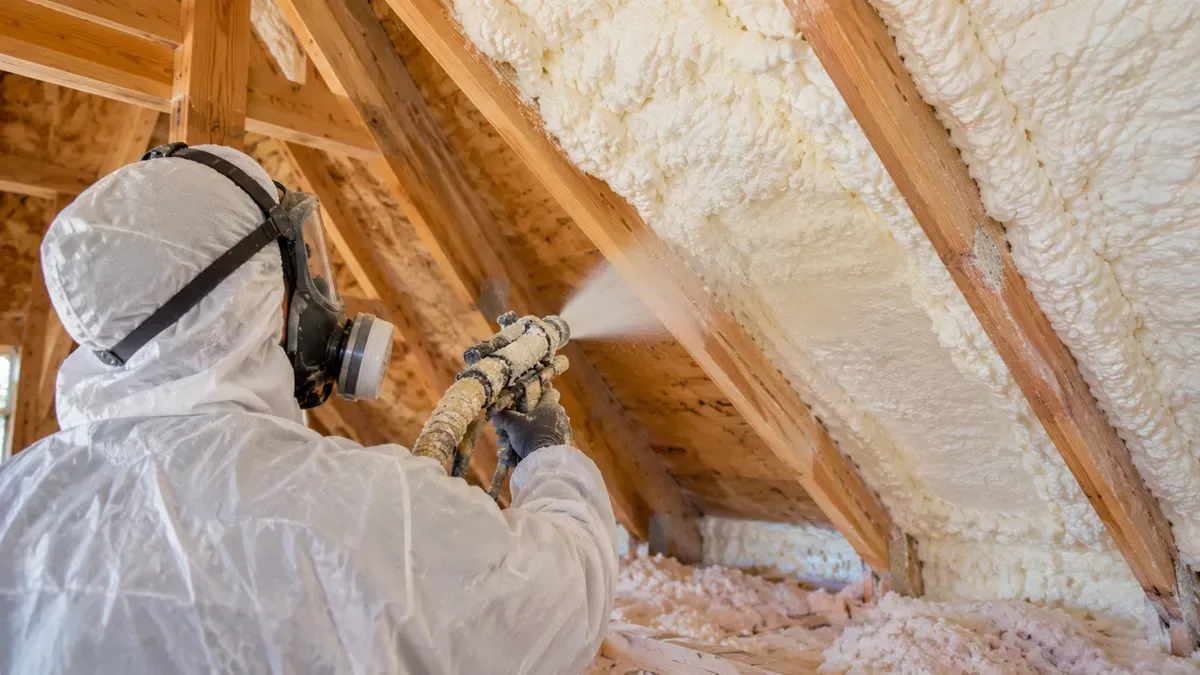
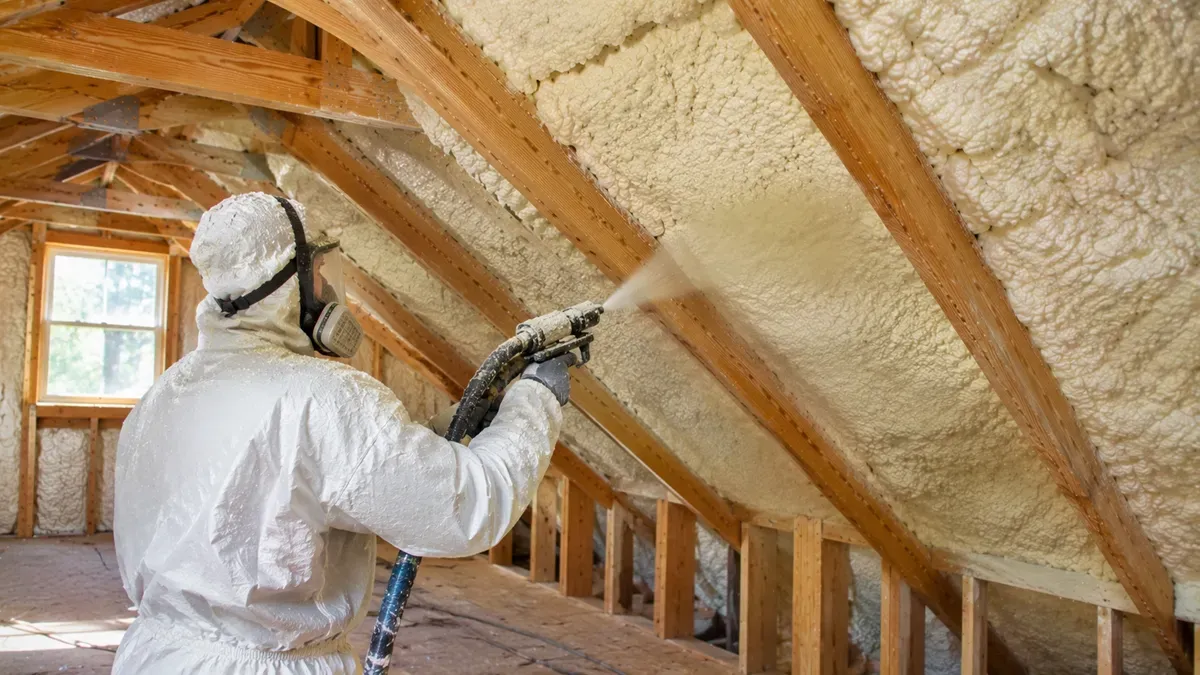
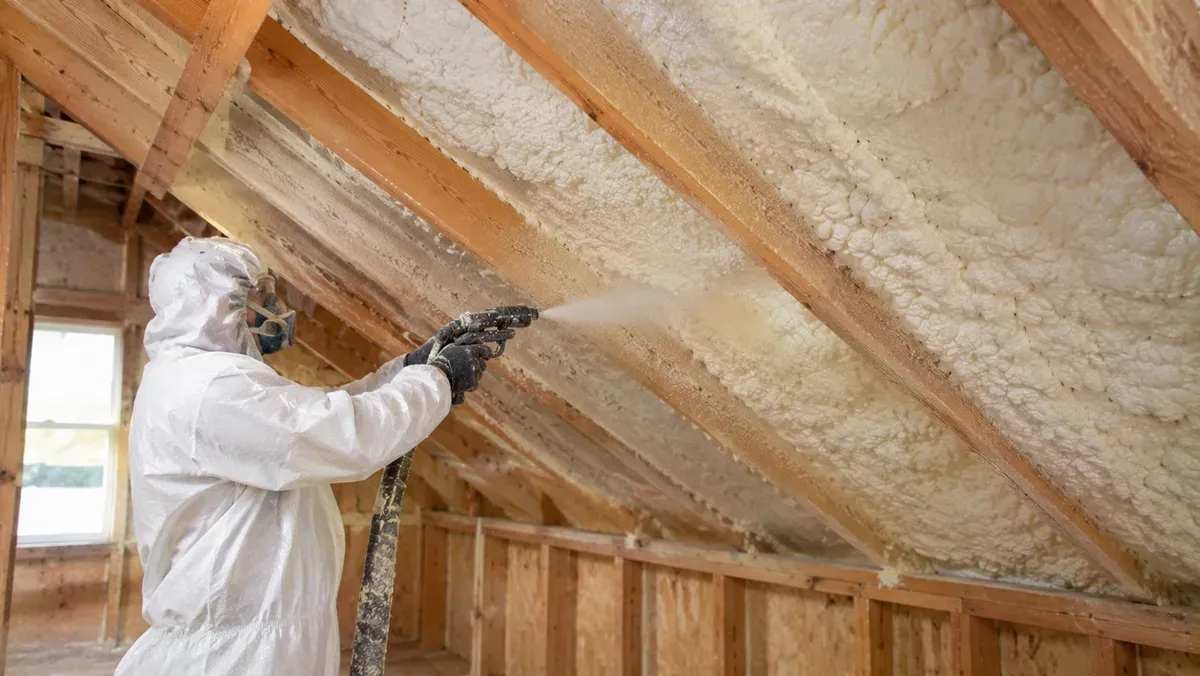
After the assessment, the appropriate foam type and application areas are determined based on the property's construction and insulation requirements. Trained installers use specialized equipment to combine and apply the two-part spray polyurethane foam at the specified ratio and under suitable conditions. During the process of applying spray foam insulation, the expanding material fills designated cavities and gaps, forming a layer of foam across prepared surfaces. Depending on the design, foam may be applied directly to the underside of the roof deck or to suitable areas along the attic floor.
Step / 03
Installation Safety and Curing Requirements
Installation also involves safety-focused procedures, including appropriate protective equipment, controlled access to the work area, and ventilation measures based on the manufacturer's instructions. Technicians must account for application thickness, substrate conditions, and curing requirements. Some closed-cell spray foam products can function as a Class II vapor retarder at specified thicknesses, but the appropriate vapor-control strategy depends on the product and building assembly. The attic should remain unoccupied during application and for the specified re-entry period, which varies according to the product and site conditions.
Understand the scope before the work begins.
A project-specific assessment is the most reliable way to understand material needs, preparation, and installation requirements.
Project planning
Attic Insulation Cost Factors in Victoria
The cost of insulating an attic in Victoria depends on several project-specific factors. The space's size, selected product, required application thickness, accessibility, and amount of surface preparation all influence the total estimate. Closed-cell spray foam generally has a higher R-value per inch than open-cell foam, but it also has different material and application requirements. The amount of insulation needed and whether the product is applied to the roof deck or attic floor can also affect the overall cost.
Additional preparation may change the project scope. For example, existing fiberglass, cellulose, or blown-in cellulose may need to be removed if it is damaged, contaminated, or unsuitable for the planned application. Removing old insulation, addressing moisture concerns, or preparing surfaces can add work before installation. Roof deck applications may require different planning from insulation applied to the attic floor. A professional evaluation helps identify these conditions and determine which approach is appropriate.
Rather than relying on a general price range, homeowners should request an estimate based on the actual attic dimensions, selected product, application area, and preparation requirements. The condition of existing materials, access to the space, and whether traditional insulation must be removed are also relevant when estimating project costs. Available energy-efficiency incentives may change over time and depend on eligibility rules, so property owners should verify current requirements before including potential tax credits in their project budget.
Details behind the application
Why Choose Our Team for Attic Foam Installation?
Attic insulation work requires careful product selection, surface evaluation, and application control. Our professional approach considers the property's construction, ventilation, existing materials, and moisture conditions before determining whether open-cell or closed-cell foam is suitable. These details help guide the installation plan and reduce the risk of applying a product in an unsuitable area. The choice between spray-applied insulation and traditional materials such as fiberglass or blown-in cellulose should reflect the property's specific requirements and the level of existing insulation.
Specialized equipment and product-specific procedures are important parts of the work. Installers must follow manufacturer instructions for material handling, application conditions, thickness, protective equipment, and curing. Attention to these requirements supports consistent coverage while helping protect the property and the people involved in the project. Proper preparation also helps ensure the foam bonds to suitable surfaces and that the finished layer provides the intended coverage. When correctly specified and installed, the foam delivers both insulation and air-sealing functions in treated areas.
For homes in Victoria's hot, humid climate, insulation planning should also account for the building's overall moisture-management strategy. This type of application can provide thermal and air-sealing benefits, but it does not correct roof leaks or replace required ventilation and moisture-control measures. Whether the attic is designed as a vented or unvented assembly, a property-specific assessment helps establish realistic expectations and identify the work needed before installation begins. Spray foam may be suitable for certain applications, but the best insulation choice depends on the building's construction and performance requirements.
Project gallery
Attic Foam Installation Projects in Victoria, TX
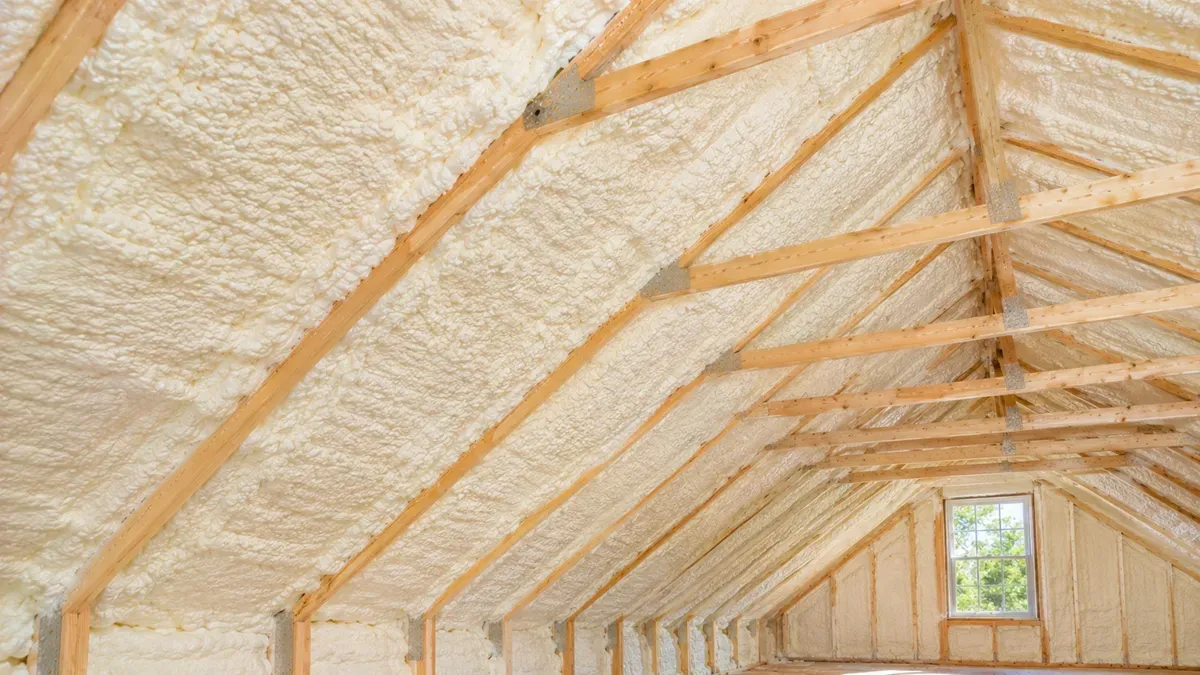
Insulation requirements can vary among residential properties in Victoria. Some homes may need coverage along the roof deck, while others may be better suited to an application at the attic floor. The appropriate location depends on the building's thermal boundary, ventilation design, existing materials, and whether the space is intended to remain ventilated or become part of a conditioned storage or living space. Attic conversions may also require a closer evaluation of the roof assembly and material placement.
A typical project evaluation considers roof cavity dimensions, framing conditions, existing insulation, and areas where air leakage may occur. The position of each joist, the condition of the roof deck, and potential thermal bridging can influence how the work is planned. Commercial buildings may have different roof assemblies and performance requirements from residential properties, so their application plans should be evaluated separately. In each case, qualified installers should select products and methods that suit the structure and follow relevant product specifications and building requirements.
For property owners planning an attic upgrade, the assessment provides a clearer understanding of the work involved, including surface preparation, product selection, installation thickness, and curing requirements. These details help establish a project scope that reflects the property's actual conditions rather than relying on a standard approach. The evaluation also helps determine whether existing materials must be removed before the new insulation is applied throughout the intended coverage area.
Project / 01
Project / 02
Project / 03
How Much Does Attic Spray Foam Installation Cost?
The cost depends on the attic's size, selected product, application thickness, accessibility, and preparation requirements. Closed-cell foam generally has a higher R-value per inch than open-cell foam, but it also typically costs more to install. Removing existing materials, preparing surfaces, and addressing roof deck conditions may affect the estimate. A professional assessment helps determine the appropriate scope for your property.
Is Spray Foam Insulation Worth It for an Attic?
This option can be practical for homeowners looking to reduce air leakage and improve attic performance. When properly selected and installed, it helps limit unwanted air movement and heat transfer through suitable parts of the assembly. This can support more consistent indoor temperatures during Victoria's hot summers. The right product depends on the home's construction, ventilation design, moisture conditions, and insulation goals. Homeowners should also consider existing insulation levels and whether traditional materials can provide adequate insulation for the property's needs.
Can Spray Foam Be Applied to Attic Roof Rafters?
Yes. The material can be applied to suitable roof decks and rafter assemblies to create an insulated roofline and help reduce air leakage. The choice between open-cell and closed-cell options depends on the roof design, moisture-management requirements, and product specifications. Before installation, trained technicians should assess the roof deck, existing materials, ventilation strategy, and required thickness, then follow manufacturer instructions for application and curing. Applying foam directly to the underside of the roof deck may be appropriate for some unvented attic designs, but the assembly must be evaluated before work begins.
Does Attic Air Sealing Help Reduce Heat Buildup?
Air sealing helps reduce unwanted movement through gaps around framing, wiring, plumbing penetrations, and other openings. Expanding foam can fill designated areas to help create a more continuous air barrier, which may limit heat transfer. Results depend on existing leakage, insulation coverage, and the home's overall building envelope. Proper ventilation and moisture management should also be considered. In colder climates, air leakage and roof insulation deficiencies can contribute to conditions where ice dams form, but this is not a typical concern associated with Victoria's warm climate. Snow on the roof is therefore not a usual consideration when planning attic insulation in this area.
How Long Does Attic Spray Foam Installation Take?
Installation time depends on attic size, accessibility, preparation needs, and the amount of material being applied. Projects requiring old insulation removal, surface preparation, or detailed work around roof framing may take longer. After application, the foam must cure before occupants can re-enter the treated area. The required re-entry period varies by product and application conditions, so installers should provide clear guidance before work begins.
Victoria Spray Foam Pros
Schedule an Attic Foam Installation Assessment
An attic assessment helps determine whether this insulation method is suitable for your property. Our insulation specialists evaluate the building's construction, existing materials, ventilation, moisture conditions, and potential air leakage areas to identify appropriate application options. This review also helps determine whether open-cell or closed-cell foam is suitable for the roof assembly or another part of the attic, including whether coverage should be installed at the roof deck or attic floor. It also helps establish whether spray foam insulation can address the property's specific air-sealing and insulation needs.
After the evaluation, homeowners can review the recommended application areas, preparation requirements, product selection, and estimated project scope. The assessment considers existing insulation and ventilation requirements so the proposed work reflects the building's actual conditions. Contact Victoria Spray Foam Pros to discuss professional attic insulation installation for your property in Victoria, TX.
Victoria Spray Foam Pros also provides spray foam insulation services to property owners in nearby communities, including
Beeville,
El Campo,
Port Lavaca,
and surrounding areas.