
Metal Building Spray Foam Insulation in Victoria, TX
Victoria Spray Foam Pros helps property owners in Victoria, Texas, explore spray foam insulation for metal buildings to manage heat transfer, air leakage, and condensation concerns. Metal structures can experience significant temperature changes, particularly during warm, humid weather. A suitable insulation system can help improve indoor temperature consistency, reduce unwanted air movement, and support moisture control. Each project should begin with an evaluation of the building's construction, existing materials, ventilation, and intended use to determine the right insulation and application method.
Get Your Free Estimate
We will get back to you as soon as possible.
Please try again later.
24/7 service available
Metal Building Foam Insulation in Victoria, TX
Steel structures have specific insulation considerations, and Victoria's warm, humid climate can make heat and moisture management particularly important. Metal panels conduct heat readily, while gaps around seams and fasteners can allow unwanted air movement. Spray foam insulation in metal buildings may help address these concerns when the selected product and installation method are appropriate for the structure. Closed-cell spray foam is commonly considered because of its relatively high R-value per inch and lower vapor permeability at suitable application thicknesses. Depending on the product and installed thickness, it may also serve as a vapor barrier or vapor retarder as part of the overall assembly.
Professional insulation planning involves assessing the building's structure, ventilation, existing materials, and intended use before applying polyurethane foam to suitable roof, wall, or framing areas. Open-cell and closed-cell products have different performance characteristics, so product selection should reflect the property's requirements. Proper surface preparation, application thickness, and adherence to manufacturer specifications are important when using foam insulation in metal buildings to improve energy efficiency, limit air leakage, and help regulate the air inside metal buildings throughout Victoria. The selected system should also be considered alongside the building's HVAC requirements.
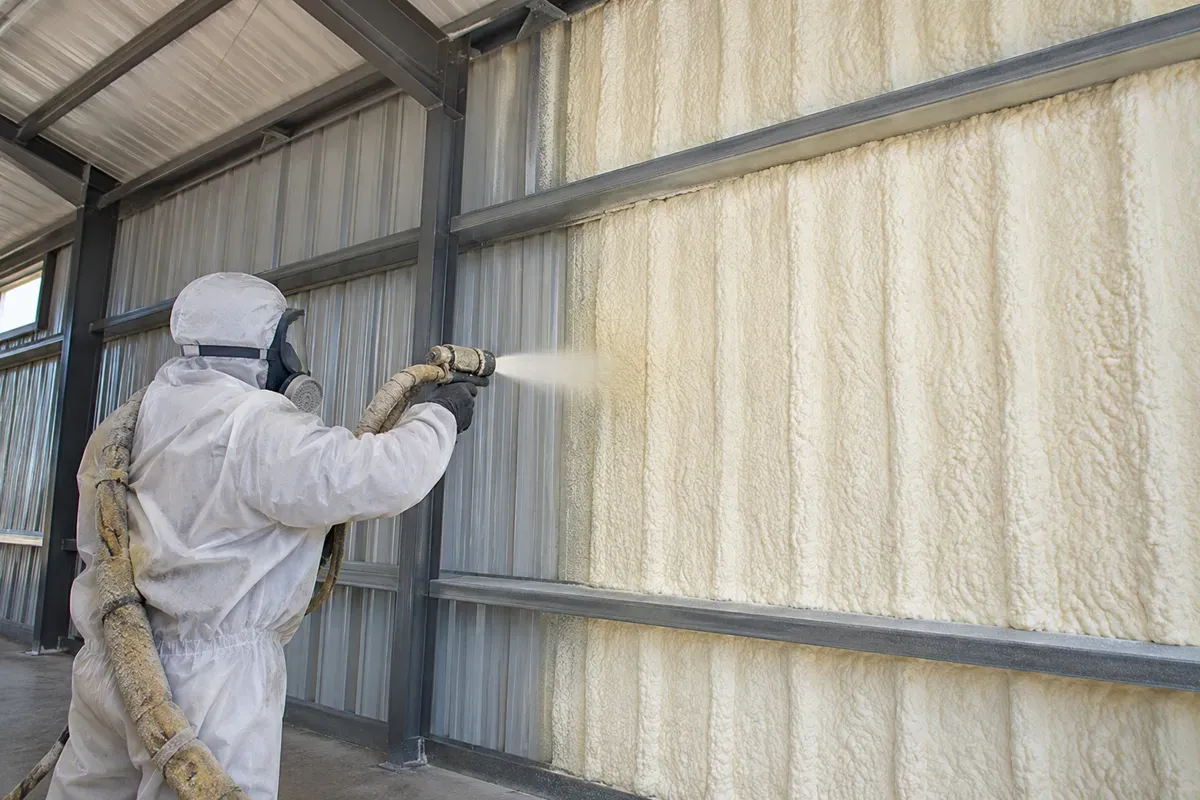
Read the building before treating it
Metal Building Temperature Changes
Metal buildings can experience significant temperature swings because metal panels transfer heat quickly. Roof and wall surfaces may become hot during the day and cool as outdoor temperatures drop. These changes can contribute to condensation when humid air contacts cold metal surfaces. Persistent moisture may affect stored goods, equipment, existing fiberglass batts or traditional insulation, and building components over time. Effective moisture control is therefore important for property owners looking to stop condensation, protect the building envelope, and reduce conditions that may contribute to mold growth.
Closed cell foam is one option for improving the thermal performance of suitable metal building assemblies. Its relatively high R-value per inch can provide insulation without requiring the same thickness as some other materials. When correctly selected and applied, the foam can seal compatible gaps and reduce air movement, helping maintain more consistent indoor temperatures. Its dense structure can also add rigidity and strength to walls in certain assemblies. Properly installed foam helps slow heat transfer and may reduce condensation by limiting air leakage and temperature differences at suitable surfaces, helping reduce the chance of condensation from forming. Actual performance depends on the product, application thickness, coverage, and overall condition of the building.
Improved insulation and air sealing may also reduce heating and cooling demands when uncontrolled heat transfer and air leakage contribute to indoor temperature changes. A properly designed system can help limit heat loss during cooler periods and stop radiant heat from entering through metal roofs and walls. Better insulation may also reduce the workload on an HVAC system, although the effect depends on equipment condition, building design, and occupancy. An assessment can help identify areas where insulation improvements may support moisture control, energy efficiency, and lower energy bills over time in metal buildings in Victoria, TX.
From first look to final check
Metal Building Spray Foam Installation Process
A metal building spray foam installation begins with an evaluation of the structure's dimensions, surface conditions, and insulation requirements. The assessment helps identify suitable application areas and conditions that could affect adhesion, including dirt, oil, loose coatings, corrosion, and surface moisture. Ventilation, existing insulation, and the building's intended use should also be considered before selecting the foam type and preparing the bare metal or other application surfaces.
Step / 01
Foam Selection and Surface Preparation
The assessment helps identify suitable application areas and conditions that could affect adhesion, including dirt, oil, loose coatings, corrosion, and surface moisture. Ventilation, existing insulation, and the building's intended use should also be considered before selecting the foam type and preparing the bare metal or other application surfaces.
Step / 02
Spray Foam Application and Coverage
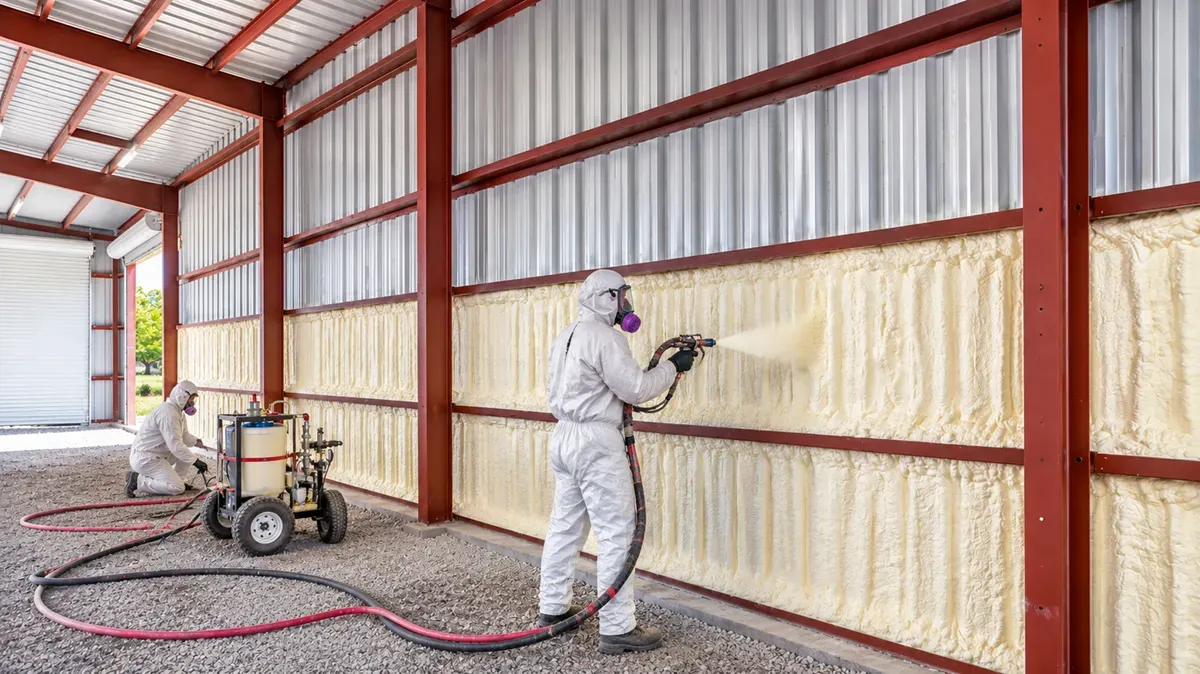
During installation, the selected foam is applied to compatible areas such as roof panels, walls, and framing surfaces. Closed-cell foam may be considered for applications where its thermal resistance and vapor-control properties are appropriate. Careful coverage around seams, joints, and fastener penetrations can help create an airtight seal and reduce air gaps that contribute to air leakage.
Step / 03
Foam Expansion, Curing, and Final Requirements
The foam expands after application, and it may need to be trimmed or covered as part of the installation process, depending on the product and assembly. Its thickness, coverage, curing conditions, ventilation, and re-entry requirements should follow the manufacturer's instructions and applicable building requirements. These details matter whether the goal is to insulate and seal a metal shop, warehouse, or barndominium.
Understand the scope before the work begins.
A project-specific assessment is the most reliable way to understand material needs, preparation, and installation requirements.
Project planning
Metal Building Spray Foam Costs
Several factors influence the costs of spray foam insulation in Victoria, including the building's dimensions, total application area, selected foam type, required thickness, and accessibility. A small workshop may involve different preparation and installation requirements than a warehouse or agricultural structure. The condition of roof panels, walls, and existing insulation can also affect the overall scope of an insulation project. When comparing spray foam vs. fiberglass or other insulation options, property owners should consider the building's purpose, thermal requirements, moisture conditions, and long-term operating needs.
New construction and retrofit installations may involve different preparation requirements. Existing metal buildings may need surface cleaning, removal of unsuitable materials, or repairs before foam can be applied. Moisture damage, corrosion, difficult access, and the presence of existing insulation may also influence the amount of preparation required. These conditions should be evaluated before an estimate is prepared, as the foam needs a properly prepared surface to adhere as intended. Smaller foam insulation kits may be available for limited applications, but they may not provide the equipment, coverage, or application control needed for a larger metal building.
A project estimate should reflect the property's actual dimensions, selected product, specified application thickness, and preparation requirements. Comparing estimates is more useful when each one identifies the intended coverage areas, material specifications, and any additional work included. This helps property owners understand the potential benefits of spray foam insulation, the project scope, and the expected costs before making a decision about the best insulation for their building.
Details behind the application
Why Choose Our Metal Building Foam Installation Team?
Metal building insulation requires an understanding of how steel structures respond to heat, moisture, and changes in indoor and outdoor conditions. The appropriate approach depends on the building's design, existing materials, ventilation, and intended use. Open-cell and closed-cell foam have different physical and moisture-control characteristics, so selecting between them requires consideration of the specific application. Open-cell foam has a soft and flexible structure, while closed-cell foam is denser and generally less vapor permeable. Workshops, warehouses, and agricultural buildings may each have different insulation requirements, including whether the goal is to reduce noise or improve sound control. Spray foam can help limit some sound transmission, but it does not make a building completely soundproof.
A professional installation plan should follow product specifications and account for surface preparation, application thickness, equipment requirements, and job-site safety procedures. Consistent coverage and appropriate material selection are important for the performance of the completed assembly and the building's structural integrity. Victoria Spray Foam Pros helps property owners understand these project considerations and connect with an independent service provider who can evaluate the building's conditions and discuss an appropriate installation approach. Professional application also differs from DIY spray foam foam insulation kits, which may not be suitable for larger metal building projects that require specialized equipment and consistent coverage.
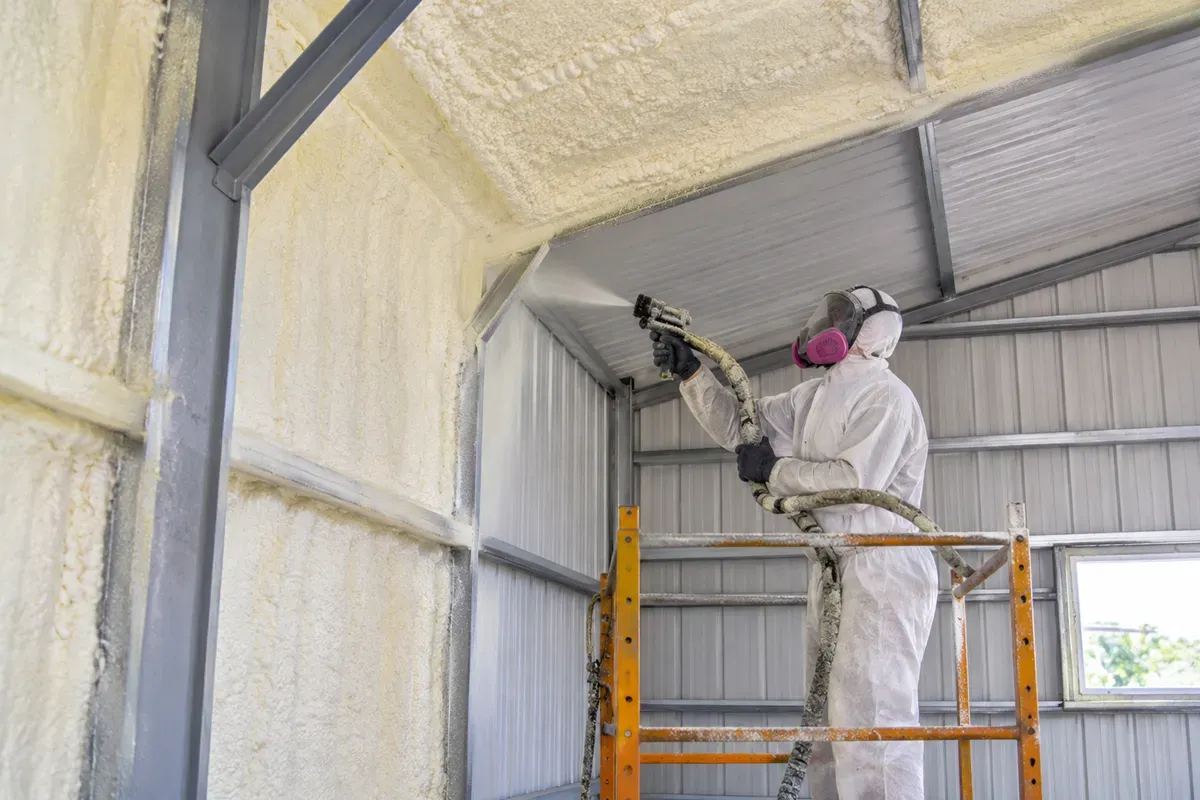
Project gallery
Metal Building Foam Projects in Victoria, TX
Metal building insulation requirements vary across properties in Victoria, TX. A workshop may need attention to exposed roof panels and wall seams, while a warehouse may involve larger surface areas, complex framing, or limited equipment access. Agricultural structures and barndominiums can have additional considerations related to ventilation, moisture conditions, stored materials, and the intended use of different areas. A project assessment can help determine whether foam application to metal walls and roofs or framing surfaces is appropriate. Condensation control should also be considered, particularly in Victoria's warm, humid climate, where moisture may collect on cooler metal surfaces. Properly selected spray foam can help limit unwanted heat flow and support indoor air quality when combined with suitable ventilation, including in areas that remain unconditioned.
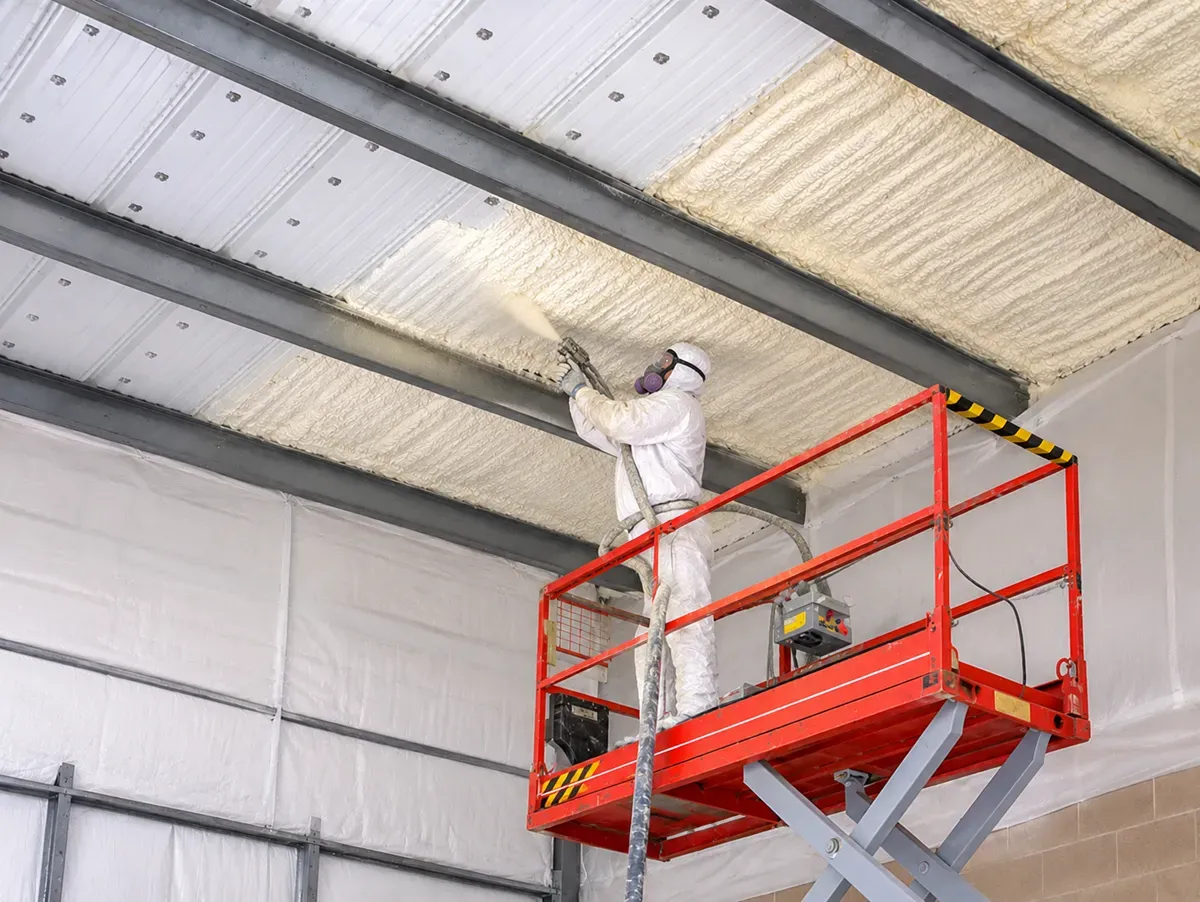
Project / 01
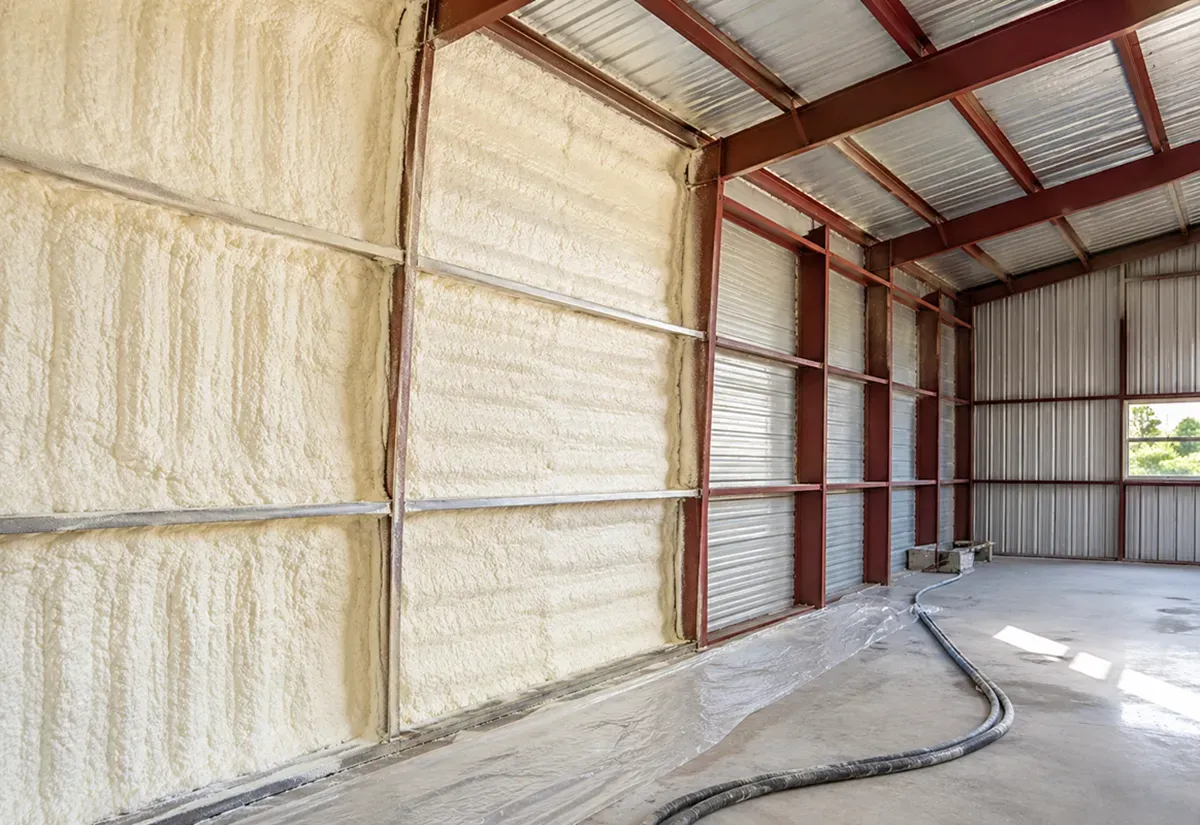
Project / 02
Project / 03
Answers for property owners
Common Metal Building Spray Foam Questions in Victoria, TX
How Much Does Spray Foam Insulation Cost for a Metal Building?
The cost depends on the building's square footage, areas being insulated, foam type, application thickness, and accessibility. Existing insulation, corrosion, surface preparation, and repairs can also affect the estimate. A professional assessment helps identify the required work and material specifications. When comparing quotes, check that each includes the same coverage areas, foam type, and preparation requirements.
What Type of Spray Foam Is Best for Metal Buildings?
Closed-cell spray foam is commonly used in metal buildings because it offers a relatively high R-value per inch and lower vapor permeability than open-cell foam. Open-cell foam is softer and more flexible, but allows more water vapor to pass through. The right option depends on the building's design, ventilation, moisture conditions, and intended use. Product specifications and recommended application thickness should guide the selection.
Can Spray Foam Be Applied to Metal Building Roofs and Walls?
Yes, spray foam can be applied to compatible metal roof panels, walls, and framing areas when surface and application conditions are suitable. Before installation, a professional should check for corrosion, oil, loose coatings, and moisture that could affect adhesion. Proper equipment, surface preparation, and controlled application help achieve consistent coverage around seams and gaps. The selected product should also be suitable for the specific roof or wall assembly.
Does Spray Foam Help Prevent Condensation in Metal Buildings in Victoria?
Victoria's warm, humid conditions can contribute to condensation when moist air contacts cooler metal surfaces. Properly selected and installed spray foam can reduce air leakage and help limit conditions that contribute to condensation. However, insulation alone does not resolve active leaks or poor drainage. Ventilation, moisture sources, and the building assembly should also be evaluated when planning moisture control and reducing the risk of mold growth.
How Long Does Metal Building Spray Foam Installation Take?
Installation time depends on the building's size, roof and wall layout, accessibility, and amount of preparation required. Cleaning surfaces, addressing corrosion, or removing unsuitable existing insulation can add time. Temperature and humidity also affect application and curing conditions. A professional installer should follow the foam manufacturer's requirements for application, ventilation, curing, and re-entry before the building is used again.
Is Spray Foam Safe to Install Inside an Occupied Metal Building?
Spray foam installation requires appropriate protective equipment, controlled application procedures, and adequate ventilation. Occupants and other unprotected people should stay out of the work area during application and for the re-entry period specified by the product manufacturer. The installer should explain job-site precautions, curing requirements, and any ventilation or protective-barrier requirements before work begins.
Victoria Spray Foam Pros
Get a Metal Building Foam Installation Estimate
Victoria Spray Foam Pros helps property owners evaluate metal building insulation needs in Victoria, TX. An assessment considers the building's size, existing conditions, suitable foam type, and application areas. It can also help determine whether spray foam is an appropriate option for improving moisture control, energy efficiency, and indoor temperature consistency while potentially reducing demand on the HVAC system.
Contact Victoria Spray Foam Pros to discuss your project and request an estimate. We can help connect you with an independent local service provider to review your building's insulation requirements and installation options.
Victoria Spray Foam Pros also provides spray foam insulation services to property owners in nearby communities, including
Beeville,
El Campo,
Port Lavaca,
and surrounding areas.