
Closed-Cell Spray Foam Insulation in Victoria, TX
Victoria Spray Foam Pros provides closed-cell spray foam insulation for residential and commercial properties in Victoria, TX. This dense polyurethane product offers a high R-value, helps reduce unwanted air leaks, and limits moisture vapor movement. Closed-cell spray foam insulation can be suitable for interior walls, ceilings, roof assemblies, metal buildings, and other areas requiring additional thermal insulation. Each project begins with an evaluation of the building's construction and existing conditions to determine the right foam type, application thickness, and installation approach. Property owners researching foam insulation Victoria services can use this assessment to understand which insulation option may suit their building.
Get Your Free Estimate
We will get back to you as soon as possible.
Please try again later.
24/7 service available
Closed-Cell Foam Installation for Victoria Properties
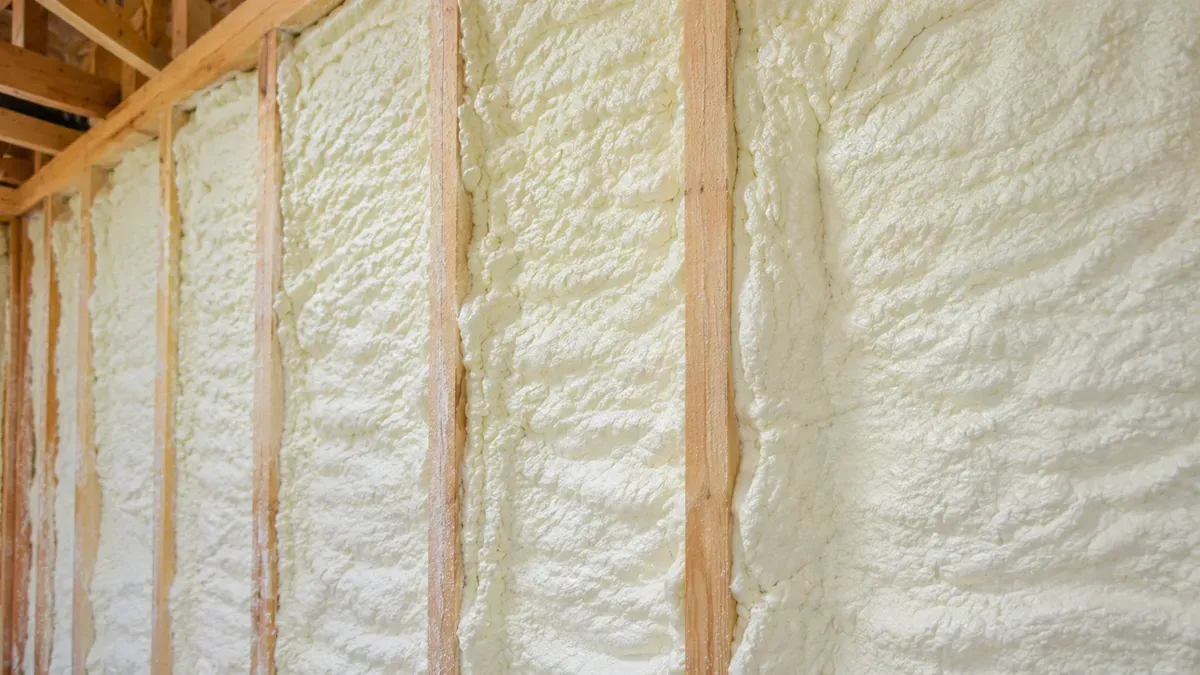
Victoria's hot summers and humid conditions can increase cooling demands and affect indoor comfort. Closed-cell foam helps limit heat transfer and unwanted air movement when applied to suitable building surfaces. Its dense cellular structure creates a tight, moisture-resistant barrier against vapor movement, making it an option for areas that need both insulation and air sealing. Properly selected materials can improve thermal performance, improve energy efficiency, and help reduce energy costs for a more comfortable home. These improvements can make a noticeable difference in comfort throughout the warmer months.
Residential and commercial applications may include exterior walls, roof assemblies, ceilings, basements, crawl spaces, and metal building panels. Compared with open cell foam, this product is denser and generally provides a higher R-value per inch. It can also add rigidity to certain building components, but it does not replace structural repairs or proper moisture management. The different types of spray foam have distinct characteristics, so the foam type and right thickness should reflect the property's construction, ventilation strategy, and manufacturer specifications. When comparing R-value insulation options, property owners should also consider the building's specific requirements and the intended application.
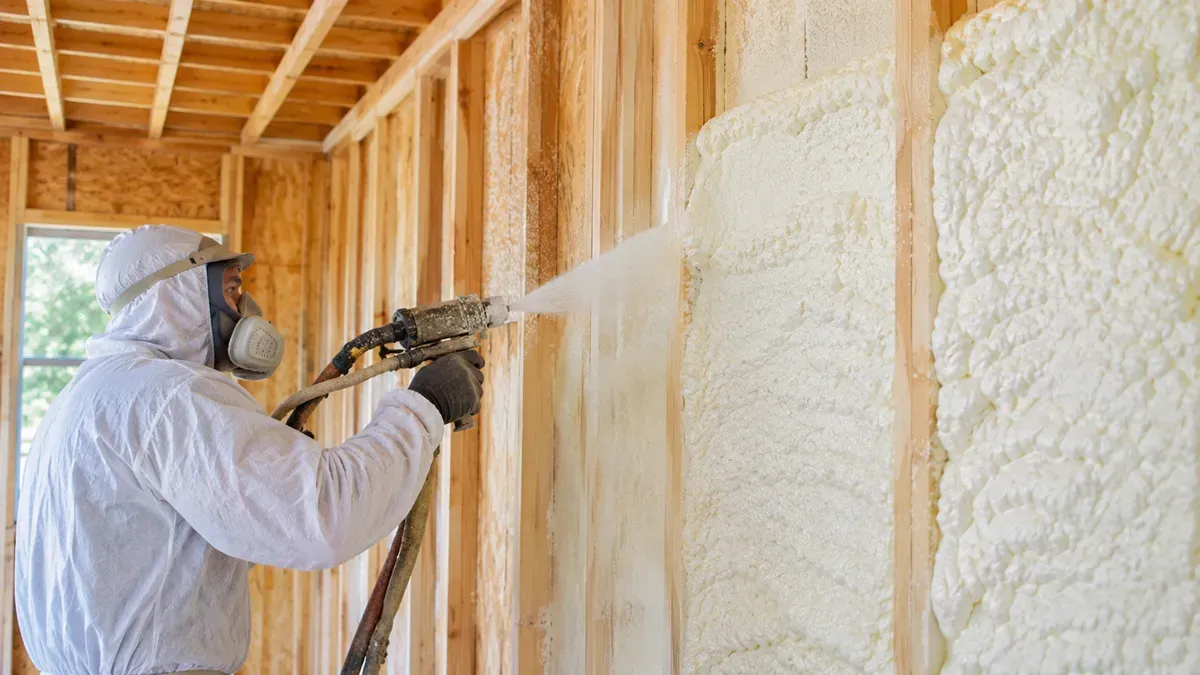
Read the building before treating it
Insulation Gaps and Moisture Concerns Addressed by Closed-Cell Foam
Gaps around wall penetrations, roof connections, and other openings can allow conditioned air to escape and outdoor air to enter. Before installers apply foam, the affected surfaces and openings should be evaluated to determine suitable coverage. During application, expanding foam expands on contact to fill suitable wall cavities and irregular spaces, helping reduce drafts and unwanted air infiltration. How well the foam bonds to a surface depends on substrate condition and preparation. Coverage also depends on accessibility and specified thickness, so affected areas should be assessed before work begins.
Air sealing can help limit moisture-laden air from moving through building assemblies. The dense cell structure provides resistance to moisture vapor, helping control the movement of air and moisture through suitable areas, but the material should not be considered a complete waterproofing system. Existing leaks, condensation, and drainage problems need to be addressed separately. Identifying these concerns beforehand helps determine whether the product is appropriate and reduces the risk of trapping moisture within the structure.
What makes closed cell foam different is its dense structure and combination of insulation value and air-sealing properties. This high-density material may be suitable for buildings that need additional protection against heat transfer and moisture vapor. When properly specified, spray foam provides part of a building's protective envelope while helping limit unwanted air movement. Its insulation performance depends on the construction assembly, surface conditions, application thickness, and product specifications. The foam acts as one component of the building envelope rather than a replacement for other moisture-control measures.
From first look to final check
How Our Closed-Cell Foam Installation Process Works
Every project begins with an assessment of the area to be insulated. The evaluation considers the building structure, existing materials, substrate condition, accessibility, moisture concerns, and intended thermal performance. These details help determine which formulation and application method are appropriate.
Step / 01
Work Area Preparation and Protection
The work area is then prepared by protecting nearby surfaces, fixtures, and equipment. Installation personnel use specialized spray equipment and appropriate protective gear while following product-specific handling and application procedures.
Step / 02
Application Conditions and Safety Procedures
Surface conditions, desired thickness, ventilation, and manufacturer specifications are considered throughout the process. These precautions are important because two-component polyurethane spray foam products require controlled handling and professional application practices. A DIY spray foam kit is not a substitute for the equipment, preparation, and safety procedures required for larger insulation projects.
Step / 03
Final Inspection and Post-Installation Guidance
Once the material has been applied, the finished area is checked for coverage, visible gaps, and other concerns that could affect performance. Curing and re-entry requirements vary by product and site conditions, so manufacturer instructions determine when the space can safely be occupied. Property owners should receive guidance on ventilation, occupancy, and any relevant follow-up requirements once the foam has cured. The cured foam should be left undisturbed according to the product manufacturer's instructions.
Understand the scope before the work begins.
A project-specific assessment is the most reliable way to understand material needs, preparation, and installation requirements.
Project planning
Factors That Affect Closed-Cell Foam Installation Costsria, TX?
Several factors influence the cost of a project. The size of the area determines the approximate amount of material needed, while application thickness affects both material use and insulation value. For example, a 1-inch thickness will require less material than a deeper application, but the appropriate coverage depends on the property's insulation needs and product specifications. Accessibility also matters because restricted attics, crawl spaces, and hard-to-reach wall or roof assemblies may require additional preparation and labor.
Existing conditions can further affect the scope of work. A review of the substrate and current insulation may reveal surface damage, moisture concerns, old material requiring removal, or other preparation needs. Property owners may also compare this option with materials like fiberglass or open cell foam, considering differences in R-value, moisture resistance, and intended applications. Foam sealants may be suitable for certain smaller gaps, but they do not provide the same coverage as a complete spray foam installation. A property-specific evaluation gives owners a clearer understanding of the materials, preparation, and labor involved in foam insulation in Victoria, TX.
Details behind the application
Why Choose Our Closed-Cell Foam Installation Team?
Choosing an insulation contractor involves more than comparing products. Property owners should consider whether the proposed solution suits the building design, whether preparation and safety procedures are explained clearly, and whether the project scope is documented. Victoria Spray Foam Pros focuses on reviewing existing conditions, discussing suitable options, and outlining the work involved before installation begins.
The process requires specialized equipment, proper substrate preparation, protective gear, and attention to product-specific instructions. Trained installation personnel must account for ventilation, thickness, curing conditions, and manufacturer guidance. Clear communication about the materials, preparation, and expected work helps property owners understand what to expect throughout the project. Depending on the building assembly and applicable requirements, a code-compliant thermal barrier may also be needed to cover the installed foam. Fire-rated products and protective assemblies should be selected according to the relevant specifications rather than assumed to be part of every installation. Any fire rated assembly must be appropriate for the specific building design and applicable code requirements.
When correctly specified and installed, closed-cell insulation can improve a building's insulated envelope by adding resistance to heat transfer and limiting unwanted air movement. Its high R-value per inch can be useful where space for insulation is limited and property owners want to achieve the maximum R-value per inch within a specific cavity. Closed-cell products are often selected for their high insulation value, although the highest R-value is not the only factor when choosing a product. Results depend on the substrate, product selection, application quality, and condition of the surrounding assembly. Careful planning and professional procedures help support consistent thermal performance over time. The foam offers insulation and air-sealing benefits when the product is suitable for the application.
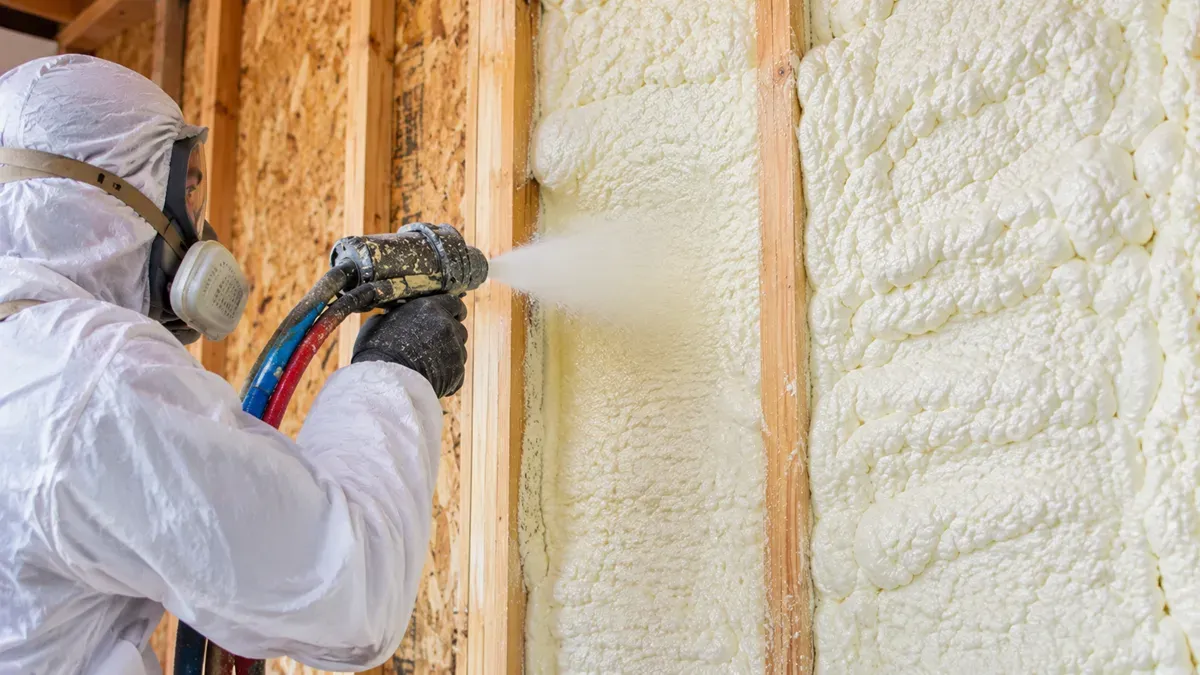
Project gallery
Closed-Cell Foam Installation Projects in Victoria, TX
Different residential and commercial structures have different insulation needs. Metal buildings, workshops, roof assemblies, interior walls, and suitable ceiling cavities may benefit from the insulating value and air-sealing characteristics of this dense material. Attic or crawl space jobs may also be suitable, depending on the structure and moisture conditions. A residential attic or crawl space should be evaluated for ventilation, existing moisture, and access before installation. Each project requires consideration of the existing surface, accessibility, ventilation, and potential moisture exposure.
For metal buildings, roof and wall panels should be checked for corrosion, condensation, and surface contamination before work begins. Residential projects may involve roof decks, exterior wall assemblies, basements, or other areas where additional heat control is needed. An insulation assessment helps identify areas of concern and determine whether this foam type suits the structure. Project schedules depend on square footage, preparation needs, working conditions, and product curing instructions.
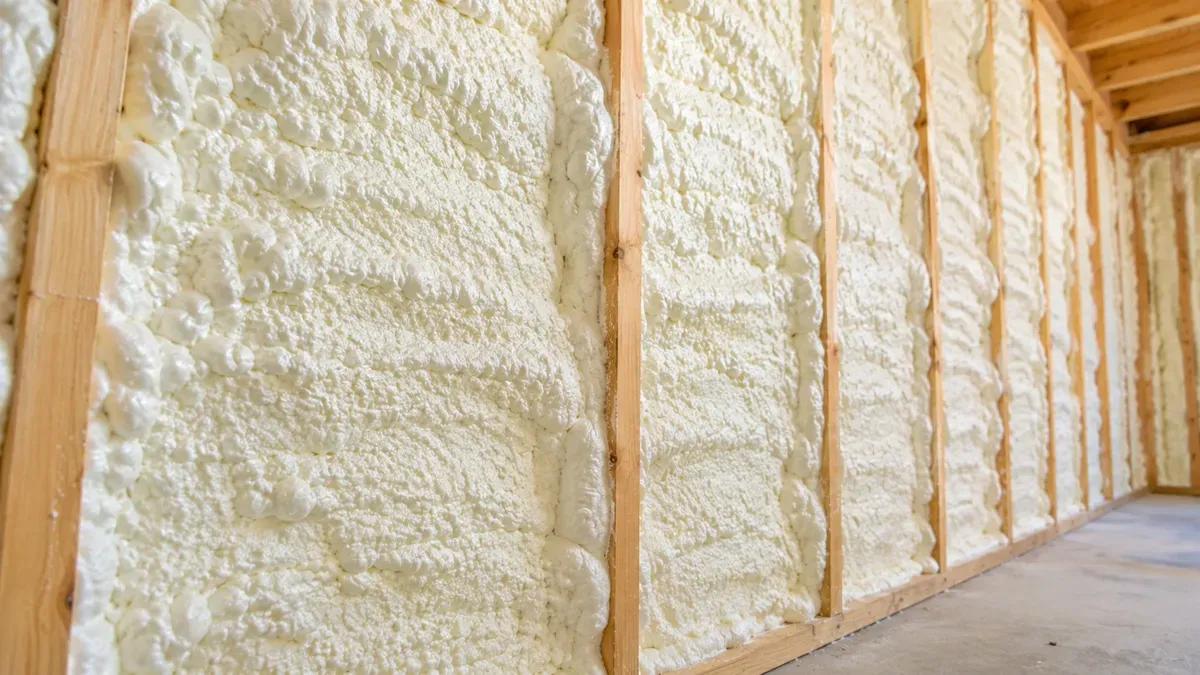
Project / 01
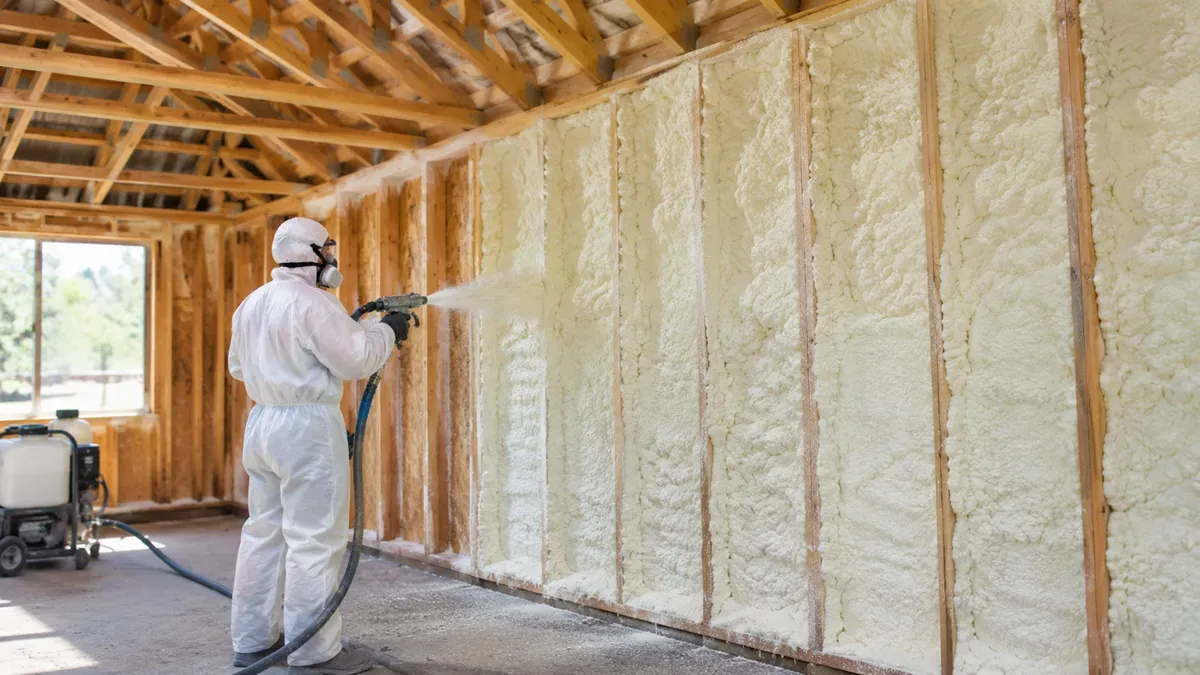
Project / 02
Project / 03
Answers for property owners
Closed-Cell Spray Foam Questions from Victoria Property Owners
Homeowners and commercial property owners often ask about the differences between open-cell and closed-cell products, their R-values, installation costs, and moisture resistance. Understanding how each option performs can help property owners choose the right insulation for their building. The following frequently asked questions cover important considerations when evaluating closed cell spray foam insulation for a property in Victoria.
What Is the R-Value of Closed-Cell Spray Foam Per Inch?
Closed-cell spray foam typically provides an R-value of approximately 6 to 7 per inch, depending on the product. This high level of insulation makes it useful in building assemblies where space is limited and a higher R-value per inch is needed. The required thickness depends on the property's construction, intended insulation level, and applicable building requirements. A qualified installer can review product specifications and help determine suitable coverage for the project. Depending on the product, the R-value of around 6 to 7 per inch can make closed-cell foam a useful option where insulation space is limited.
How Much Does Closed-Cell Spray Foam Installation Cost?
Project costs depend on the area being insulated, application thickness, material specifications, accessibility, and preparation requirements. Removing existing insulation or addressing damaged surfaces may also affect the total scope. An on-site assessment helps identify these factors and establish a project-specific estimate. Property owners should review the proposed coverage, materials, preparation work, and installation details when comparing estimates. Material pricing may be calculated using different measures, including coverage and volume, so a per cubic foot figure alone may not represent the complete installation cost.
Is Closed-Cell Spray Foam Suitable for Victoria's Humid Climate?
Closed-cell foam may be suitable for properties in Victoria because its dense structure provides resistance to moisture vapor and helps reduce unwanted air movement. These characteristics can be useful during South Texas heat and humid conditions, particularly in a Victoria home that needs additional insulation. However, the material does not replace repairs to leaks, drainage issues, or condensation problems. The building should be assessed before installation to determine whether the product is appropriate.
Is Closed-Cell Spray Foam Waterproof?
This material resists moisture absorption more effectively than open cell foam, but it should not be considered a complete waterproofing system. Roof leaks, plumbing problems, standing water, and drainage issues must be corrected separately. In crawl spaces and other moisture-prone areas, an inspection can help determine whether the proposed application is appropriate and whether additional moisture-control measures are needed.
How Does Closed-Cell Foam Compare With Open-Cell Foam?
Closed-cell foam generally provides a higher R-value per inch and greater resistance to moisture vapor. Its denser cell structure can also add rigidity to certain building assemblies. Open-cell spray foam is lighter and more flexible, typically offering an R-value around 3.5 per inch, depending on the product. Neither option is automatically better for every project. The right choice depends on the installation location, building design, moisture exposure, and intended insulation results. Comparing open and closed cell options helps property owners understand which product may better suit their building. Whether one type of foam is better than another depends on the property's insulation goals and construction details.
How Long Does Closed-Cell Spray Foam Take to Cure, and When Is It Safe to Return?
Curing and re-entry times vary according to the product, application thickness, temperature, humidity, and site conditions. Occupants may need to stay out of the treated area during application and for a specified period afterward. Installation personnel should follow the manufacturer's instructions for ventilation, protective equipment, curing, and re-entry. Confirm the required waiting period with the installer before returning to the space.
Victoria Spray Foam Pros
Request a Closed-Cell Foam Installation Estimate
An accurate estimate starts with understanding the property's layout, existing insulation, and areas where air leakage or insufficient coverage may occur. Victoria Spray Foam Pros can review the proposed work, determine whether this material is suitable, and identify the preparation and coverage requirements that influence the project scope. To help establish the scope, property owners can provide the building type, areas requiring insulation, approximate dimensions, and any known access or moisture concerns. Moisture exposure and building conditions are important considerations in Victoria's humid climate. Whether the work involves a roof assembly, exterior wall, crawl space, or metal building, the recommended approach should reflect the structure and product specifications. For older Victoria properties, an assessment of existing materials and building conditions can help identify preparation needs before installation.
Contact Victoria Spray Foam Pros to discuss your project, arrange an assessment, and request an estimate outlining the proposed materials, preparation, and installation work.
Victoria Spray Foam Pros also provides spray foam insulation services to property owners in nearby communities, including
Beeville,
El Campo,
Port Lavaca, and surrounding areas.